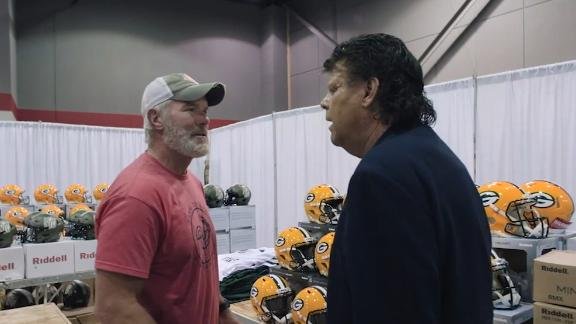
Imagine a defensive line so dominant, so disruptive, they literally changed the rules of professional football. A quartet that didn't just play the game; they redefined what it meant to pressure a quarterback, turning every offensive snap into a potential nightmare. These were the Key Players: Legends of the New York Sack Exchange, the formidable front four of the New York Jets in the early 1980s who terrorized offenses and etched their names into NFL lore. Their story isn't just about athletic prowess; it's about synergy, showmanship, and a lasting legacy that continues to resonate decades later.
At a Glance: The Sack Exchange Essentials
- Who they were: The New York Jets' defensive line, consisting of Mark Gastineau, Joe Klecko, Marty Lyons, and Abdul Salaam.
- When: Predominantly the early 1980s, peaking in 1981.
- The Nickname: Coined by a fan, inspired by the New York Stock Exchange, capturing their disruptive force on opposing offenses.
- Key Achievement: Led the NFL with 66 sacks in 1981, reaching the 1982 AFC Championship Game.
- Lasting Impact: Their performance, alongside Lawrence Taylor's emergence, prompted the NFL to officially track quarterback sacks as a statistic.
- Individual Honors: Joe Klecko (Pro Football Hall of Fame, No. 73 retired), Marty Lyons (College Football Hall of Fame), and multiple members in the Jets' Ring of Honor.
More Than Just a Nickname: The Origin Story of a Phenomenon
Before they were legends, they were simply a defensive line—albeit a talented one. The nickname "New York Sack Exchange" wasn't born in a marketing boardroom, but from the creative mind of a fan, Dan O'Connor, who submitted it to a pre-season contest hosted by The Jet Report in 1981. It was a stroke of genius, immediately capturing the essence of their destructive play and tying it to the iconic financial hub of New York City.
Jets public relations director Frank Ramos quickly recognized its power and began using it in press releases. The name stuck, creating an immediate, tangible identity for the fearsome foursome. The connection was cemented when, in November 1981, Gastineau, Klecko, Salaam, and Lyons were invited to ring the ceremonial opening bell at the actual New York Stock Exchange. This wasn't just a publicity stunt; it was a testament to how quickly their on-field dominance had permeated the cultural consciousness of the city, becoming synonymous with the kind of high-stakes, high-impact action New Yorkers loved.
The Unstoppable Quartet: Meet the Legends Behind the Line
The true genius of The Sack Exchange wasn't just in their collective strength, but in the distinct talents and personalities each player brought to the field. Drafted over several years, they converged to form a unit whose sum was far greater than its parts, each a crucial cog in a relentless machine.
Joe Klecko: The Unsung Anchor, Hall of Famer
Drafted in the 6th round (144th overall) in 1977 out of Temple, Joe Klecko was the embodiment of versatility and raw power. He was a force of nature, able to dominate from defensive end, defensive tackle, and even nose tackle in a 3-4 scheme. This adaptability made him a coach's dream and an offensive coordinator's nightmare. Klecko was the bedrock of the Sack Exchange, often absorbing double teams and opening lanes for his teammates, all while racking up impressive sack totals himself. His blue-collar work ethic and intense drive made him a fan favorite and a locker room leader.
Klecko's impact transcended his playing days. His No. 73 jersey was retired by the Jets on December 26, 2004, a rare honor signifying his profound legacy with the franchise. The ultimate recognition came in 2023 when he was finally inducted into the Pro Football Hall of Fame, solidifying his place among the game's all-time greats. He was also inducted into the Jets' Ring of Honor in 2010. Klecko's story, including his career highs and lows, was even chronicled in a book he co-wrote with Joe Fields, offering an intimate look at the life of a gridiron warrior.
Mark Gastineau: The Charismatic Sack Machine
If Klecko was the anchor, Mark Gastineau was the lightning bolt. A 2nd-round pick (41st overall) in 1979 from East Central Oklahoma State, Gastineau brought a blend of explosive speed, relentless pursuit, and unparalleled showmanship to the defensive end position. His "sack dance" celebrations were iconic, captivating audiences and infuriating opponents in equal measure. Gastineau wasn't just flash, though; he was incredibly effective. He was a pure pass-rushing phenom, constantly in the backfield disrupting plays and terrorizing quarterbacks.
His fierce competition with Joe Klecko for individual sack totals during their peak years fueled both players to even greater heights. Gastineau was a multi-time Pro Bowler and All-Pro, consistently among the league leaders in sacks. Even after the Jets transitioned to a 3-4 defense in 1985, Gastineau's ability to get to the quarterback remained undiminished, earning him two more Pro Bowl selections. He joined Klecko in the Jets' Ring of Honor in 2012, cementing his status as one of the franchise's most electrifying players.
Marty Lyons: The Unyielding Force
Marty Lyons, a 1st-round pick (14th overall) in 1979 out of Alabama, brought a formidable combination of size, strength, and intelligence to the defensive tackle position. A true team player and natural leader, Lyons was known for his incredible motor and unwavering commitment to excellence. He excelled at stopping the run, collapsing pockets, and holding the point of attack, often doing the unsung grunt work that freed up Gastineau and Klecko to make big plays.
Lyons' impact wasn't just on the field; his character and leadership were invaluable in the locker room. His post-NFL career has been marked by significant philanthropic work, further burnishing his legacy. He was recognized for his collegiate achievements with an induction into the College Football Hall of Fame in 2011. Like his teammates, Lyons was honored by the Jets, joining the Ring of Honor in 2013. He was the last active member of the original Sack Exchange, retiring after the 1989 season, a testament to his longevity and enduring effectiveness.
Abdul Salaam: The Original Powerhouse
Abdul Salaam, a 7th-round pick (188th overall) in 1976 from Kent State, was the initial piece of the Sack Exchange puzzle. As a defensive tackle, Salaam provided immense interior power and toughness, anchoring the line and commanding attention from opposing offensive guards and centers. He was a powerful run-stopper and an essential component in creating the chaotic environment that allowed his teammates to thrive.
While his tenure with the core group was shorter than the others—he was replaced by Kenny Neil and traded after the 1983 season—Salaam's foundational role is undeniable. He was instrumental in the unit's early development and its breakout 1981 season. His contribution laid the groundwork for the Sack Exchange's legendary status, ensuring his place among the key players who defined an era for the Jets.
Dominance in the Trenches: The 1981 Season and Beyond
The 1981 season was the Sack Exchange's masterpiece. The Jets defense, powered by their relentless front four, terrorized quarterbacks across the league, racking up an astonishing 66 sacks—a mark that led the entire NFL. This was a testament not just to individual talent, but to their seamless coordination, shared intensity, and a fierce competitive spirit that pushed each other to excel.
The friendly rivalry between Mark Gastineau and Joe Klecko, each vying for individual sack totals, was a story in itself. It was a competition that benefited the team immensely, as both players played with an unyielding drive to outdo the other, leading to double-digit sack numbers for both. This collective effort propelled the Jets to an impressive 10-6 record, clinching a playoff berth.
Their success carried over into the strike-shortened 1982 season, where the Jets made a memorable run to the AFC Championship Game. Though they ultimately fell short, the Sack Exchange proved they were not a one-year wonder, consistently demonstrating their ability to disrupt and dominate.
Even as the NFL evolved and the Jets eventually switched to a 3-4 defensive scheme in 1985, the core of the Sack Exchange adapted. Klecko and Gastineau, in particular, proved their versatility and continued to be Pro Bowl-caliber players in the new system. Lyons, known for his consistency, remained a reliable force until his retirement. The unit's ability to maintain high performance despite schematic changes speaks volumes about their talent and dedication.
Beyond the Field: A Lasting Legacy on the NFL
The impact of the New York Sack Exchange stretched far beyond individual games or even a single franchise. Their formidable performance, particularly during the 1981-82 seasons, coincided with the emergence of another defensive phenomenon: New York Giants rookie linebacker Lawrence Taylor. The combined dominance of these defensive forces was so profound that it directly influenced a significant change in how the NFL viewed and recorded its statistics.
Prior to 1982, quarterback sacks were not an officially recognized NFL statistic. Individual teams might have kept their own records, but there was no league-wide standard. The sheer volume and frequency with which the Sack Exchange and players like Taylor were bringing down quarterbacks made it impossible to ignore. The NFL, recognizing the growing importance and fan interest in this aspect of the game, began officially counting quarterback sacks as a statistic in 1982. This seemingly small change had a massive ripple effect, allowing future generations of pass rushers to have their achievements formally recognized and compared, forever changing how we evaluate defensive excellence.
The Sack Exchange also served as an inspiration. Their coordinated chaos and relentless pressure became a blueprint for how a dominant defensive line could alter the trajectory of a game and an entire team. They proved that defense, particularly one that relentlessly pursued the quarterback, could be just as exciting and impactful as an explosive offense.
The individual honors bestowed upon the members — Joe Klecko's Pro Football Hall of Fame induction, his retired jersey, Marty Lyons' College Football Hall of Fame nod, and the trio's enshrinement in the Jets' Ring of Honor — are all direct testaments to their lasting individual and collective greatness. These are not just accolades; they are markers of an enduring impact that resonates through the history of the sport.
Debunking Misconceptions: The Sack Exchange vs. The Stock Exchange
It's easy to see why the name "Sack Exchange" might lead to a bit of confusion, especially for those new to the story. Given its direct inspiration, some might wonder if the New York Sack Exchange had any actual financial dealings or if it was somehow related to the world of investing beyond the name.
Let's be crystal clear: the New York Sack Exchange was strictly the nickname for a professional football defensive line. It had no direct affiliation with the actual New York Stock Exchange, beyond the ceremonial ringing of the bell in 1981 and the shared geographic location and conceptual similarity of "exchanging" big plays. It was a brilliant linguistic play, designed to evoke the high-energy, high-stakes environment of Wall Street and apply it to the equally high-stakes world of NFL football. There's no portfolio advice or trading tips to be found here, only football history!
Reliving the Glory: Where to Learn More
The enduring appeal of the Sack Exchange means their story continues to be told and retold, giving new generations a chance to appreciate their unique impact. If you're captivated by their legend, there are excellent resources available to dive even deeper:
- Books: Joe Klecko co-wrote a book on his illustrious career, offering a first-hand account of his time in the trenches. For a broader perspective, Greg Prato's "Sack Exchange: The Definitive Oral History of the 1980s New York Jets," released in September 2011, provides a rich tapestry of interviews and recollections from those who lived through the era.
- Documentaries: ESPN's critically acclaimed "30 for 30" series, known for its deep dives into sports history, released an eponymous documentary on December 13, 2024. This film likely offers compelling visuals, archival footage, and fresh interviews to bring the era to life for contemporary audiences.
These resources provide invaluable context, personal anecdotes, and behind-the-scenes insights into what made the Sack Exchange one of the most iconic defensive units in NFL history.
The Enduring Roar: Why Their Story Still Matters Today
The New York Sack Exchange wasn't just a brief moment of defensive brilliance; it was a phenomenon that left an indelible mark on football. Mark Gastineau, Joe Klecko, Marty Lyons, and Abdul Salaam transcended their positions, becoming symbols of a hard-nosed, relentless style of play that resonated deeply with fans.
Their story is a powerful reminder of how individual talent, when forged into a cohesive unit, can achieve legendary status and even influence the very fabric of the game itself. From inspiring a change in official NFL statistics to setting a new standard for defensive line play, the Sack Exchange's impact continues to echo through the stadiums and record books. They represent an era when the Jets were a formidable force, driven by a quartet whose name became synonymous with pure, unadulterated defensive terror. Their legend serves as a testament to teamwork, passion, and the kind of fierce determination that sports fans cherish, ensuring that the roar of the Sack Exchange will never truly fade.