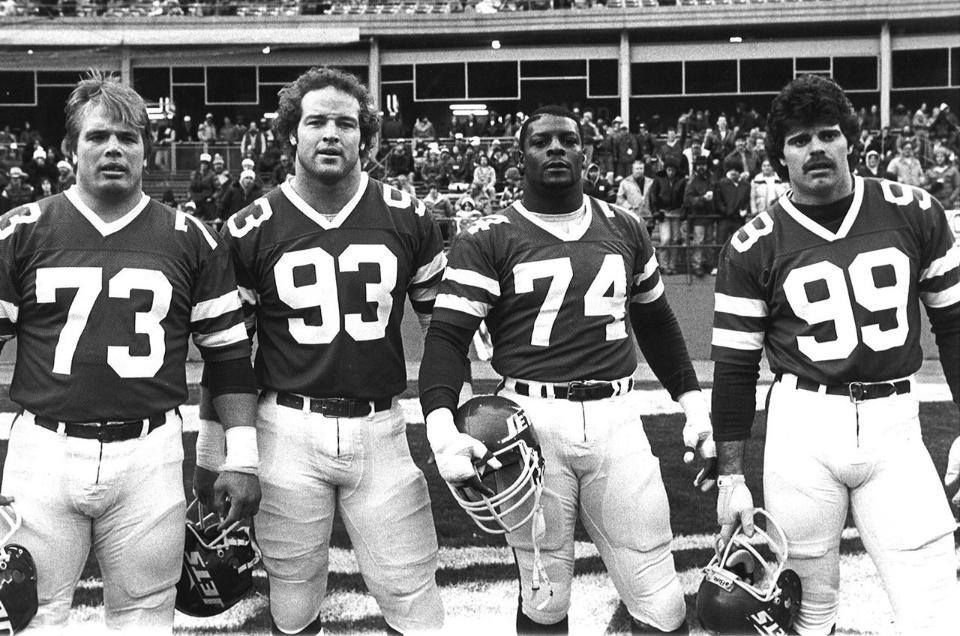
The roar of the crowd, the crunch of pads, the electric surge of a sack – for a select few, this defines a career. But what happens when the final whistle blows, the lights dim, and the uniform is hung up for good? For the members of the legendary "New York Sack Exchange," the transition from gridiron glory to the chapters of life beyond professional football has been as varied and compelling as their on-field dominance. This comprehensive guide dives into the Post-NFL Careers and Where Are They Now: Sack Exchange Members, exploring their individual journeys and the enduring legacy of a defensive line that redefined the game.
At a Glance: The Sack Exchange Today
- Joe Klecko: The undisputed leader, now a Pro Football Hall of Famer (2023), lives in Colts Neck, NJ, enjoying family life with his wife, children, and grandchildren. His number 73 is retired by the Jets.
- Mark Gastineau: Known for his iconic sack dance, Gastineau faced personal challenges but found healing, residing in the New York metro area with his wife. He is a Jets Ring of Honor member.
- Marty Lyons: A first-round pick, Lyons dedicates his post-football life to philanthropy, running a foundation that grants wishes to children with terminal or life-threatening illnesses. He’s also in the College Football Hall of Fame.
- Abdul Salaam: The "soldier of peace" quietly moved on from the NFL, now living in Cincinnati, leading a private life after an impactful but shorter career.
- Enduring Legacy: Their story continues to captivate, influencing NFL statistics and soon to be chronicled in an ESPN 30 for 30 documentary.
When Legends Were Born: The Genesis of the Sack Exchange
In the early 1980s, the New York Jets defense wasn't just good; it was legendary. A formidable front four – defensive ends Mark Gastineau and Joe Klecko, and defensive tackles Marty Lyons and Abdul Salaam – terrorized opposing quarterbacks with a ferocity that earned them a unique nickname: the "New York Sack Exchange." This wasn't a marketing gimmick cooked up by the team; it was born from the fans themselves, specifically Dan O'Connor, whose submission won a pre-season contest in "The Jet Report" magazine in 1981. Public relations director Frank Ramos wisely adopted it, and the media quickly made it a household name.
The inspiration for the moniker was the iconic New York Stock Exchange, a fitting tribute to a unit that crashed the pocket with the regularity of a closing bell. In November 1981, all four members were invited to ring the ceremonial opening bell at the NYSE, cementing their status as cultural and athletic icons. Their dominance was undeniable; in 1981, the Jets led the league with a staggering 66 sacks. While sacks weren't an official NFL statistic until 1982, Joe Klecko was unofficially credited with 20.5 sacks that year, and Gastineau with 20. This relentless pressure, combined with the emergence of Giants rookie Lawrence Taylor, finally pushed the NFL to officially recognize quarterback sacks as a statistic – a testament to the Sack Exchange's profound impact on the game. To Explore the New York Sack Exchange further, their story is a fascinating chapter in NFL history.
These men weren't just a unit; they were individual talents, all drafted by the Jets in the late 1970s. Salaam (1976), Klecko (1977), and Lyons and Gastineau (both 1979) each brought a unique skill set and personality to the line. Klecko was the relentless, versatile cornerstone, able to play any position on the line. Gastineau was the flamboyant showman, whose "sack dance" became a sensation (and sometimes a lightning rod for controversy). Lyons was the vocal leader and a first-round talent, while Salaam was the quiet, powerful force in the middle, known in the locker room as a "soldier of peace." This potent combination propelled the Jets to four postseason appearances in six years, including the 1982 AFC Championship Game.
However, change is inevitable in professional sports. Abdul Salaam was replaced in the starting lineup in 1983 and traded after the season, effectively ending his NFL career. Gastineau, Klecko, and Lyons continued to play successfully, with Gastineau and Klecko even making two more Pro Bowls after the Jets transitioned to a 3-4 defense in 1985. Marty Lyons was the last active member, retiring after the 1989 season. The bond, however, transcended their playing days, even manifesting in Joe Klecko's insistence that all four members received a shoe contract, underscoring their collective identity.
Life After the Last Whistle: Individual Paths
Leaving the intensely structured world of professional football can be a daunting challenge. The routine, the camaraderie, the adrenaline – it all vanishes, replaced by the question of "What's next?" For the Sack Exchange members, their post-NFL journeys have reflected their diverse personalities, moving from public acclaim to quiet contribution, from continued visibility to impactful philanthropy.
Joe Klecko: The Unstoppable Force, Now a Hall of Famer
Joe Klecko was, without question, the heart and soul of the Sack Exchange. Drafted in the 6th round out of Temple, his relentless motor and ability to play every position on the defensive line (defensive end, nose tackle, defensive tackle) made him a truly rare talent. His number 73 was retired by the Jets in 2004, a testament to his irreplaceable impact. The culmination of his career, and a moment long awaited by fans and peers, arrived in 2023 when he was finally inducted into the Pro Football Hall of Fame. This recognition not only honored Klecko's individual brilliance but also shed a brighter light on the pre-1982 era of unofficial sacks, validating the dominance of players like him. He had previously been inducted into the Jets' Ring of Honor in 2010.
Today, Joe Klecko, who turned 70 in October 2023, resides in Colts Neck, New Jersey, with his wife, Debbie. His post-NFL life is centered around his family, a foundation of five children and five grandchildren, enjoying the fruits of a career built on hard work and an unyielding will to win. While he faced the physical tolls common to linemen of his era, his spirit remains as robust as his on-field performance. Klecko's story serves as a powerful reminder that while the game is demanding, a fulfilling life awaits after football, often rooted in the simple joys of family and community. You can learn more about legendary defensive players like Klecko and their contributions to the game's history.
Mark Gastineau: From Sack Dance to Personal Healing
Mark Gastineau was arguably the most recognizable face of the Sack Exchange, a whirlwind of energy and athleticism. His "sack dance" became an iconic celebration, drawing both adoration and derision, but always attention. Drafted in the 2nd round in 1979, Gastineau was a terror off the edge, making multiple Pro Bowls and embodying the explosive energy of the Jets' defense. He was inducted into the Jets' Ring of Honor in 2012.
Gastineau's post-NFL life has been well-documented, marked by public struggles, health issues, and a journey toward personal healing. The demands and pressures of the NFL, coupled with the abrupt end of a playing career, can take a heavy toll. In recent years, Gastineau has spoken openly about his past challenges, including substance abuse and his diagnosis of dementia and Parkinson's disease, believed to be linked to football injuries.
However, his story is also one of reconciliation and redemption. Mark Gastineau, now 66, and his wife JoAnn reside in the New York metropolitan area. He has openly credited former teammate Marty Lyons for playing a crucial role in his personal healing process, mending fences and rebuilding relationships that had been strained. This speaks volumes about the enduring bond within the Sack Exchange, illustrating how the fraternity of football can extend far beyond the playing field, offering support and guidance when it's needed most. His journey highlights the challenges of life after football and the importance of a strong support system.
Marty Lyons: Champion on the Field, Champion for Children
Marty Lyons, the Jets' first-round pick in 1979 out of Alabama, brought a formidable blend of talent, intelligence, and leadership to the defensive line. As the last active member of the Sack Exchange, he retired after the 1989 season, concluding a career marked by consistency and impact. Lyons earned individual accolades beyond the NFL, being inducted into the College Football Hall of Fame in 2011, and the Jets' Ring of Honor in 2013.
It is Lyons's post-NFL career, however, that truly showcases his character and dedication. Marty Lyons, also 66, has channeled his energy and influence into a profound philanthropic endeavor: operating a foundation that grants wishes to children with terminal or life-threatening illnesses. This selfless work has provided countless moments of joy and hope to families facing unimaginable circumstances, embodying a commitment to service that far surpasses any athletic achievement.
His role in Mark Gastineau's reconciliation and healing further illustrates Lyons's compassionate nature. It's a powerful narrative of how the bonds formed in the crucible of professional sports can evolve into deep, lifelong friendships, offering solace and support during life's toughest moments. Lyons's journey from a dominant defensive tackle to a relentless advocate for sick children is an inspiring testament to the diverse and meaningful paths former athletes can forge. His foundation's work stands as a pillar of hope in the community.
Abdul Salaam: The Quiet Warrior's New Chapter
Abdul Salaam (formerly Larry Faulk), drafted by the Jets in the 7th round in 1976 out of Kent State, was the quiet anchor of the Sack Exchange. Known as a "soldier of peace" in the locker room, he brought a steady, powerful presence to the defensive tackle position. While perhaps less publicly flamboyant than Gastineau or outspoken than Klecko, Salaam was an integral part of the unit's early success.
Salaam's NFL career, however, was the shortest of the four. He was replaced in the starting lineup in 1983 and traded after the season, effectively ending his time in the league. This relatively early departure meant his post-NFL life began sooner and took a more private turn compared to his more publicly celebrated teammates.
As of recent reports, Abdul Salaam lives in Cincinnati. He has largely maintained a private life since stepping away from the spotlight of professional football. His story represents a different facet of the post-NFL experience – one where the transition leads to a quieter, more personal existence, away from the constant public gaze that often accompanies football legends. His impact on the Sack Exchange, though shorter-lived, was no less vital to their collective identity and success.
The Enduring Brotherhood: More Than Just a Moniker
The "New York Sack Exchange" wasn't merely a catchy name; it was a symbol of a rare bond, a collective identity that transcended individual achievements. Joe Klecko's insistence on a shoe contract for the entire unit, not just himself, highlights this deep-seated camaraderie. It wasn't about individual glory; it was about the strength of the four, a unit that made history. This collective spirit forged a legacy that continues to resonate today.
The impact of the Sack Exchange extended beyond wins and losses, permanently altering how NFL statistics evolved. Their undeniable dominance in generating sacks was a direct catalyst for the NFL to officially track quarterback sacks as a statistic starting in 1982. This seemingly small change had massive implications, providing a quantifiable measure of defensive pressure and fundamentally changing how individual defensive players were evaluated.
Their story is so compelling that it's being immortalized in popular culture, with an ESPN 30 for 30 documentary scheduled for release on December 13, 2024. This forthcoming film will reintroduce their dynamic, their struggles, triumphs, and the unbreakable bond they forged, to a new generation of football fans. Books, like "Sack Exchange: The Definitive Oral History of the 1980s New York Jets" by Greg Prato (2011), have also chronicled their era, ensuring their place in football lore.
The Sack Exchange is a microcosm of the larger the history of the New York Jets – periods of immense promise, flashes of brilliance, and the enduring passion of a dedicated fanbase. Their collective and individual stories offer a rich tapestry of life inside and outside the NFL.
Lessons from the Gridiron: What Their Journeys Reveal
The post-NFL lives of the Sack Exchange members offer a poignant look at the multifaceted experiences of professional athletes after their playing days conclude.
- Diverse Paths to Fulfillment: There's no single blueprint for life after football. From Klecko's family-centric retirement and Hall of Fame recognition to Lyons's deep dive into philanthropy, and Salaam's quiet, private life, each man found his own way to define success and purpose beyond the game.
- The Enduring Impact of Brotherhood: The bond between these four men, particularly evident in Klecko's contract negotiation and Lyons's support for Gastineau, underscores the lasting power of team relationships. These aren't just teammates; they are brothers forged in battle, a support system that can span decades.
- Facing the Physical and Mental Toll: Gastineau's candidness about his health struggles and the impact of football on his well-being highlights a critical aspect of post-NFL life. The physical and mental demands of the game often manifest years later, requiring ongoing care and resilience.
- Finding New Purpose: For some, like Marty Lyons, the transition involves identifying a new passion that allows them to leverage their platform for a greater good. His foundation work is a testament to how an athlete's drive can be powerfully redirected toward humanitarian efforts.
- The Lingering Legacy: Even decades later, the Sack Exchange members remain relevant figures, their impact on the game and their individual stories continuing to captivate. Their collective journey serves as a powerful narrative about athletic achievement, personal growth, and the complexities of life beyond the brightest lights. To explore other Hall of Fame inductees is to see similar narratives of enduring impact and evolving legacies.
The Sack Exchange's Enduring Influence: A Call to Remember
The story of the New York Sack Exchange is more than just football history; it's a compelling human narrative about ambition, camaraderie, and the often-challenging transition from one life chapter to the next. Joe Klecko, Mark Gastineau, Marty Lyons, and Abdul Salaam left an indelible mark on the NFL, not just through their statistical dominance but through their collective identity and lasting influence on the game's official record-keeping.
As the ESPN 30 for 30 documentary approaches, and as we reflect on Klecko's well-deserved Hall of Fame induction, their story continues to resonate. It reminds us that behind the helmets and the highlight reels are individuals with complex lives, facing real-world challenges and finding new ways to contribute. Their journey serves as a powerful reminder of the enduring human spirit, proving that the lessons learned on the gridiron – teamwork, resilience, and perseverance – are truly lifelong. The Sack Exchange may no longer be taking down quarterbacks, but their impact, both on and off the field, will continue to echo for generations.